Minerals & Muscle Health Vol.4: ZINC
Zinc is an essential mineral that plays a vital role in muscle health and overall athletic performance. It supports muscle growth, recovery, and strength by influencing various factors like testosterone production, protein synthesis, and immune function. Deficiencies in zinc can negatively impact muscle mass, strength, and overall athletic capacity.
Key Roles of Zinc in Muscle Health:
Testosterone Production:
- Zinc directly impacts the hypothalamus-pituitary-testes axis, promoting the production of testosterone, a crucial hormone for muscle growth and recovery.
- Muscle Protein Synthesis:
- Zinc is involved in the synthesis of proteins, including those that make up muscle tissue, and helps in the repair of muscle fibres post exercise.
- Muscle Growth and Strength:Zinc deficiency can lead to reduced muscle mass and strength, while adequate zinc levels are crucial for maximizing muscle growth and performance.
- Immune Function:Intense training can weaken the immune system, making athletes more susceptible to illness. Zinc contributes to a strong immune system, allowing athletes to train consistently and recover effectively.
Proteostasis:
Zinc is involved in proteostasis, the process of protein synthesis, folding, and degradation. It plays a role in muscle remodelling and adaptation to training
Muscle Recovery:
Zinc supports muscle recovery by stimulating protein synthesis and facilitating the repair of muscle fibers after workout
Zinc Deficiency and Athletes:
- Reduced Performance:Zinc deficiency can compromise muscle strength, endurance, and overall physical performance.
Compromised Immune System:
Athletes are particularly susceptible to zinc deficiency, which can weaken their immune system, potentially leading to increased illness and missed training
Sarcopenia:
In some cases, zinc deficiency has been linked to sarcopenia, the age-related decline in muscle mass and function.
Important Considerations:
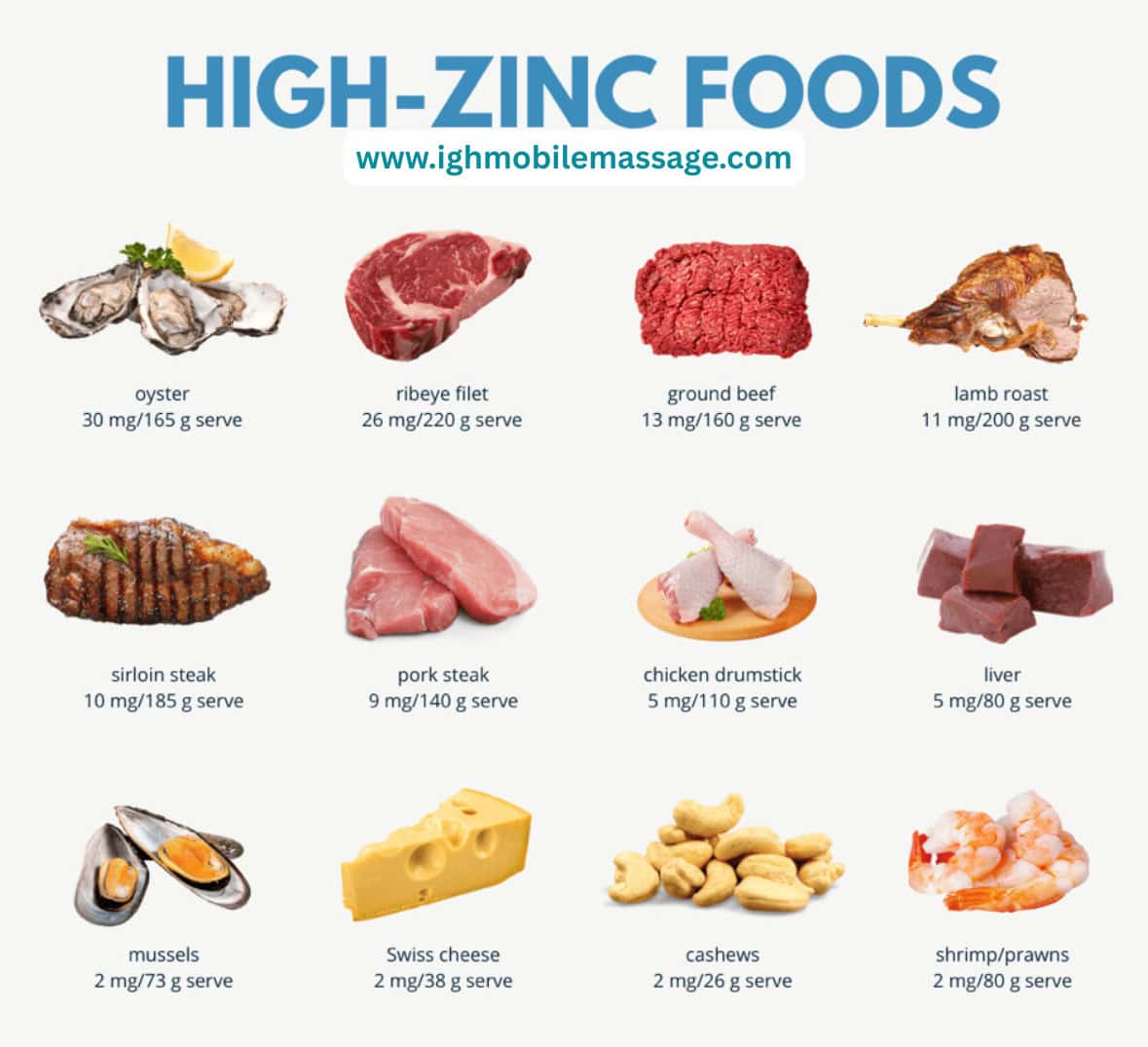
- Recommended Intake:The recommended daily allowance (RDA) for zinc is 11mg for adult males and 8mg for adult female
Absorption:
Zinc absorption can be affected by various factors, including phytates in food and the type of zinc supplement use.
Toxicity:
Excessive zinc intake can lead to side effects like diarrhea, headaches, and reduced immunity.
For the ‘Science Nerd’ in you I’ve included some articles that I found quite interesting.
Until Next time….take care of your muscle & it will take care of you 🙂
Dee
Articles on ZINC: