
Minerals & Muscle Health Vol.5: IRON
Iron is more than just a mineral; it’s a powerhouse for your body’s health. From fueling your muscles to supporting your thyroid and boosting your immune system, iron plays an essential role in keeping you strong, energized, and resilient. Whether you’re an athlete, a busy professional, or someone focused on improving your well-being, understanding iron’s impact is essential.
Iron and Muscle Health
Iron is a key player in muscle function. Here’s why:
Myoglobin and Oxygen Delivery
Iron forms an essential part of myoglobin, a protein in muscle cells responsible for storing and releasing oxygen. Think of myoglobin as your muscle’s oxygen reserve, similar to how hemoglobin transports oxygen in the blood.
Energy Production
Your muscle cells rely on mitochondria (their energy factories) to produce energy in the form of ATP. Iron is vital for this process, ensuring your muscles have the power they need for every contraction and movement.
Enzymatic Reactions
Iron supports numerous enzymatic reactions that are crucial for muscle health, including DNA and amino acid synthesis. Iron also influences the production of myokines, immune-modulating peptides produced by muscles.
What Happens Without Enough Iron?
Iron deficiency spells trouble for your muscles. Without adequate iron, oxygen delivery falters, energy production slows, and muscle function becomes impaired. This can lead to fatigue, reduced muscle mass, and overall weakness.
Iron’s Role in Thyroid Function
Your thyroid is the gatekeeper of your metabolism, and iron is indispensable for its proper functioning. Here’s how iron supports thyroid health:
Thyroid Hormone Synthesis
Iron is critical for the activity of thyroid peroxidase (TPO), an enzyme involved in thyroid hormone production. Without enough iron, TPO activity drops, hindering the creation of vital thyroid hormones like thyroxine (T4) and triiodothyronine (T3).
Iron and Oxygen Transport
The thyroid requires oxygen to work efficiently. An iron deficiency can disrupt oxygen transport, affecting hormone synthesis and conversion (T4 to T3).
Symptoms of Low Iron and Thyroid Dysfunction
When iron levels drop, you might experience fatigue, hair thinning, brittle nails, cold intolerance, and even hypothyroidism-like symptoms.
The Bidirectional Relationship
Thyroid hormones influence red blood cell production, just as iron levels impact thyroid health. Addressing iron deficiency can often help reverse thyroid imbalances.
Iron and Immune System Support
Iron isn’t just about keeping muscles and the thyroid in check; it also strengthens your immune system. Here’s how:
Immune Cell Function
Iron supports key immune cells like T-cells, which fight infections, and macrophages, which eliminate harmful pathogens. Iron also plays a role in gut immune function and inflammation management through its regulation of gut-associated immune cells.
Fighting Infection
Iron deficiency can weaken the body’s immune defenses, increasing susceptibility to infections and conditions like inflammatory bowel disease (IBD). During infections, your body cleverly restricts microbial access to iron in a defense mechanism known as “nutritional immunity.”
Iron Imbalance and Immunity
While too little iron hampers your immune response, too much can also cause issues. Iron overload can trigger inflammatory responses, and conditions like hemochromatosis (excessive iron storage) may impair immunity.
Signs of Iron Deficiency
Could your body be crying out for iron? Keep an eye out for these signs of deficiency:
- Fatigue
- Brittle or thinning hair
- Headaches
- Restless legs
- Cracks at the corners of your mouth
- Feeling cold regularly (iron affects thyroid-regulated body temperature)
- Shortness of breath
- Anxiety or irritability
- Scooped nails
- Craving non-food substances like dirt or ice (a condition called pica)
If you recognize these symptoms, consult a healthcare professional to check your iron levels.
Boosting Your Iron Intake
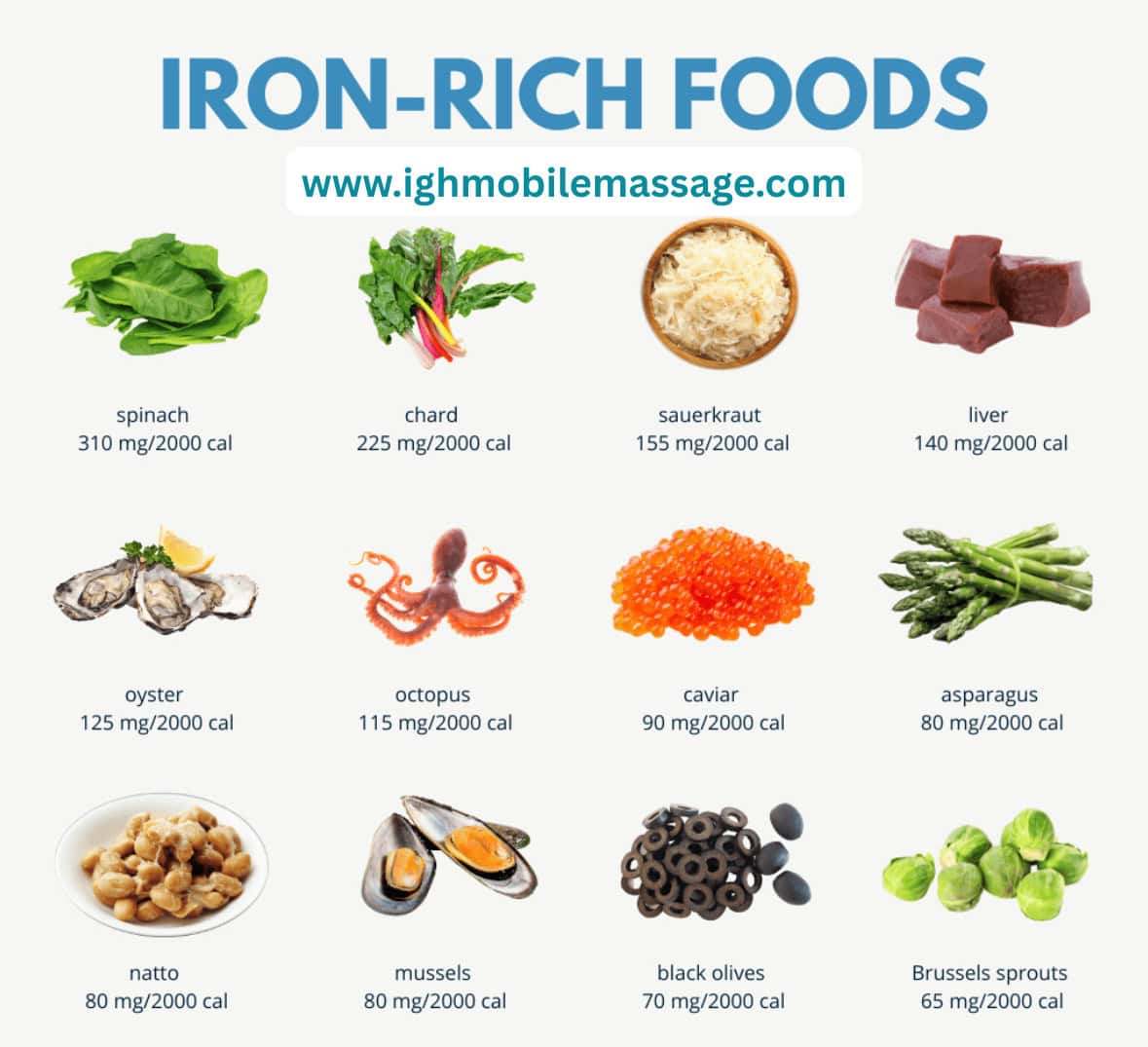
To maintain optimal iron levels, include a mix of heme (animal-based) and non-heme (plant-based) iron sources in your diet. Foods rich in iron include lean meats, seafood, spinach, lentils, nuts, and fortified cereals. If you’re taking iron supplements, avoid consuming them with thyroid medication like levothyroxine. Leave at least a four-hour gap to ensure better absorption and effectiveness.
Closing Thoughts
Iron is essential fuel for your body’s core functions, from muscle power to thyroid balance and immune strength. By recognizing the signs of iron deficiency and ensuring adequate intake, you can support your overall health and energy levels. If you’re unsure or need help reworking your nutrition to boost iron, don’t hesitate to consult a professional.
Here’s to your health and well-being!
Love,
Deidra
